Caring for a Human Being: Can You Ever Be Ready for That Task?
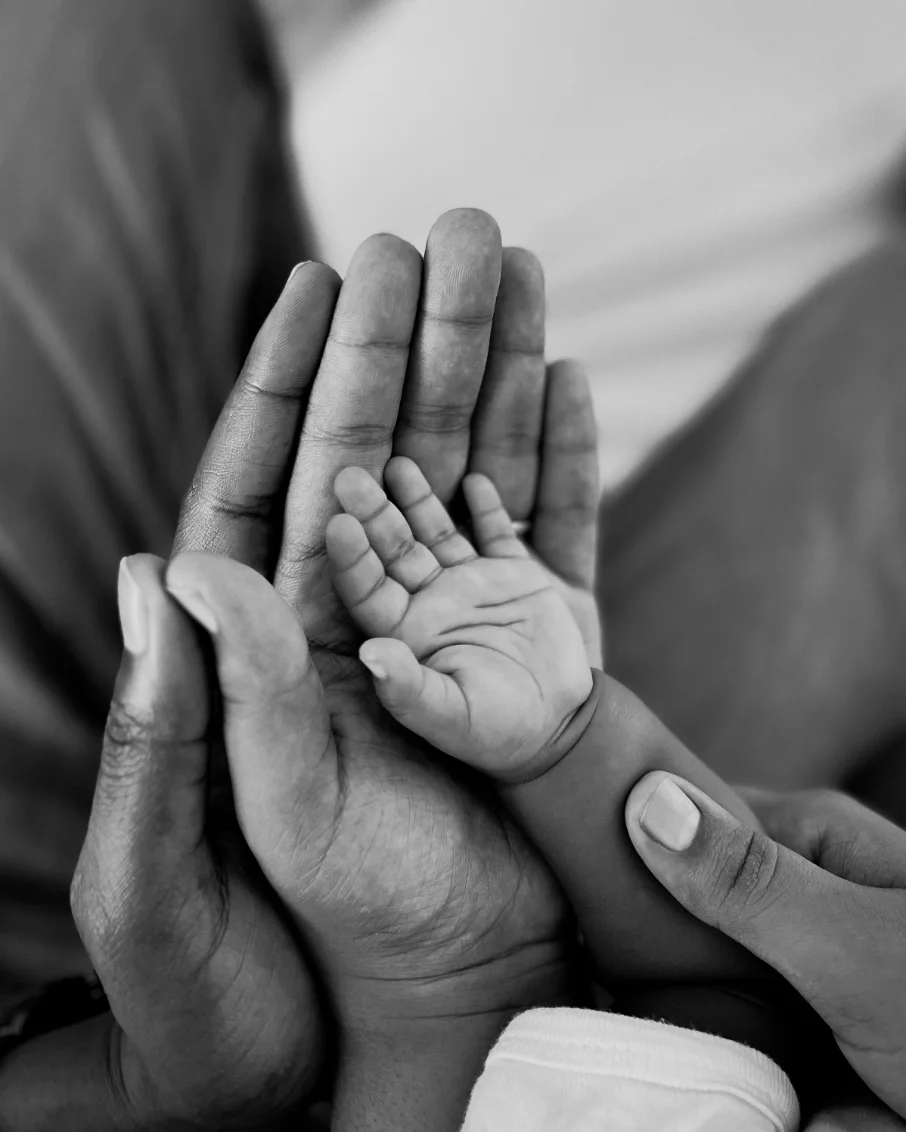
Every day we see babies and children crossing our paths on the street. Fathers, mothers, grandparents, aunts and uncles, siblings, nannies, teachers look after these small beings every day. But what exactly do we need to offer them?
The task of caring shows up in the most varied relationships: we can care for friends, aunts and uncles can care for nieces and nephews, and children can — and often need to — care for their parents, and so on. But speaking specifically of the small beings who arrive in the world, have you stopped to think about what they need? What kind of task is this, ours, of caring, in the earliest days of life?
We all know, whether closely or loosely involved, that this task wears you down, tires you out, and at times strains relationships. First-time parents find themselves overwhelmed by the endless, varied demands of such a small being! Waking up in the middle of the night, breastfeeding, getting them to sleep, soothing their crying, playing, bathing them, taking them out, dropping off and picking up from school, feeding them, saying "no"… And when I say task, it's because this really does demand preparation, thought, intention, and a great deal of mobilization!
Still, it's important to remember that all of this also comes from a more "intuitive" place, where there is no plan at all. In general, everyday caregivers — parents, aunts, uncles, grandparents — don't read books or study up on babies when they decide to have children or become aunts and uncles. As Winnicott would say: thank goodness for that! But suddenly, there they are: caring for beings who need us a great deal, especially in the first months and years of life! And the difficulties, dilemmas, questions, and stresses inevitably appear! It's necessary to step back, breathe, and perhaps seek out some kind of support to find your footing again on the path of caring.
D. W. Winnicott, an English pediatrician and psychiatrist, helped us think about this a great deal, theoretically, but also from a practical standpoint, since he had wide experience with mothers and babies. During his time working in a psychiatric hospital, he talked with parents, nurses, social workers, and others, and something striking about his stance was that he never wanted to teach mothers, because he knew that the task of caring for small babies is of a different order. What he valued most was that mothers be well supported and strengthened in their capacity to care, that they have what they needed. He was clear that part of human development follows from heredity, but he also knew that an important part of development depends on a satisfactory environmental supply. That's precisely where parents are most important, and most responsible.
Most of what goes on in the developing individual baby or child happens whether you understand it or not, simply because the child has an inherited tendency towards development. No one has to make a child hungry, angry, happy, sad, affectionate, good or naughty. These things just happen.
p. 142
So something became very clear to him over time, and I want to bring it here: babies need "good enough" parents. Let's pause on the word "enough" — it's neither too little nor too much, but… e-nough.
Good enough parents can be used by babies and young children, and good enough means you and me. In order to be consistent, and so to be predictable for our children, we must be ourselves. If we are ourselves our children can get to know us. Certainly if we are acting a part we shall be found out when we get caught without our makeup.
p. 141
On caring well enough, Winnicott helps us see that what's most beneficial for babies and children is when parents aren't so worried about following the steps of something they learned in a book, or something a neighbor said was better to do, because at some point that care will show itself to be so false that it will do real harm to the child's development and to their relationship with the adult. Consistency in caring, when the caregiver manages to be themselves, is what brings the security and predictability so important at this stage of little ones' lives — and I'd say of grown-ups' lives too.
In the act of caring, there is also something that comes from an "ineffable" place, that rises up from deep within us, from where we've lived, from the care we received. At times, we simply repeat a kind of care we were given. Do we care with love? Do we care with pain? Sadness, aggression, guilt, distance, technique? There's a lot to unpack here, with many layers of personal and even transgenerational history.
Either way, it is always from a real kind of caring, an embodied and personal kind of caring, that babies and children come to make use of. That is what a child can trust, and count on, to feel secure on their path in life.
After all, you have been a baby yourself, and you have memories to guide you, apart from all you may have learned when watching and participating in the care of babies.
p. 143
Reference: D. W. Winnicott (1986-1971), Conversando com os pais ("Talking to Parents"). Chapter: "Building Trust"