A Baby's Crying: What Is It Trying to Say?
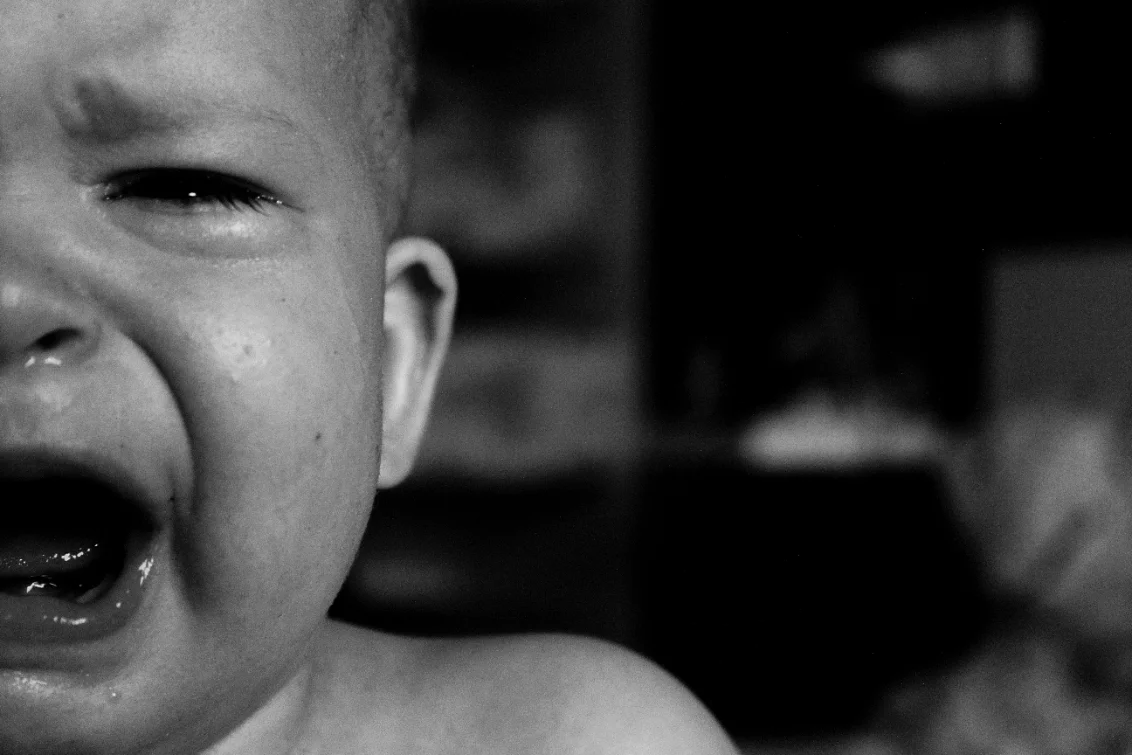
Talking about the crying of a baby, or even a young child, is talking about communication.
Why does a baby cry? If they could use their own words, they might say: "I'm in pain, I'm hungry, I'm angry, I'm scared, I'm frustrated, I want to test my own ability by myself!" — and the list goes on.
A baby's primary caregivers, or even those who spend their days close to them, can gradually come to understand what that crying is about. Sometimes we can't understand it, and that becomes a torment, even a source of despair, especially for those experiencing it for the first time. And of course, it's hard to stay calm. A baby's crying can touch places adults can't even locate, let alone name.
Colic, a tooth coming in, and later, frustration at not getting something they want. There are many possibilities, but if you are attuned and attentive, you'll be able to understand what your baby needs and respond in the most appropriate, respectful, and caring way. And yes, up until around 1 year of age, a baby is governed by needs, whether physical or emotional.
A myth worth dispelling
An important point: babies who don't cry aren't "better" than babies who do. Are they? That would be the same as saying that having a baby or young child who doesn't communicate is better than one who does. What does that mean?
A baby who doesn't cry — and therefore doesn't communicate — is a baby who has lost hope in the environment: they don't believe anyone can meet their needs, hold, soothe, support, and care for them. It's a submissive baby, resigned to the environment's impositions. Is that really what we want for our children, and for our society more broadly?
I'd like to offer here an invitation to think about what your baby's — or your child's — crying is trying to say, and how that touches you, as a caregiver, a father, a mother. Shall we think it through together?
Anyway, babies who seldom cry are not necessarily, because of their not crying, doing better than babies who cry like billyo, and, personally, if I had to choose between the two extremes, I would bet on the crying baby, who had come to know the full extent of his capacity to make a noise, provided the crying had not been allowed too often to go over into despair.
p. 65-66
Reference: D. W. Winnicott (1945), The Child, the Family and the Outside World. Chapter: "Why do babies cry?"
Has your baby's crying been touching a difficult place? We can think about it together.
Contact